Common Structural Problems Found in UK House Surveys
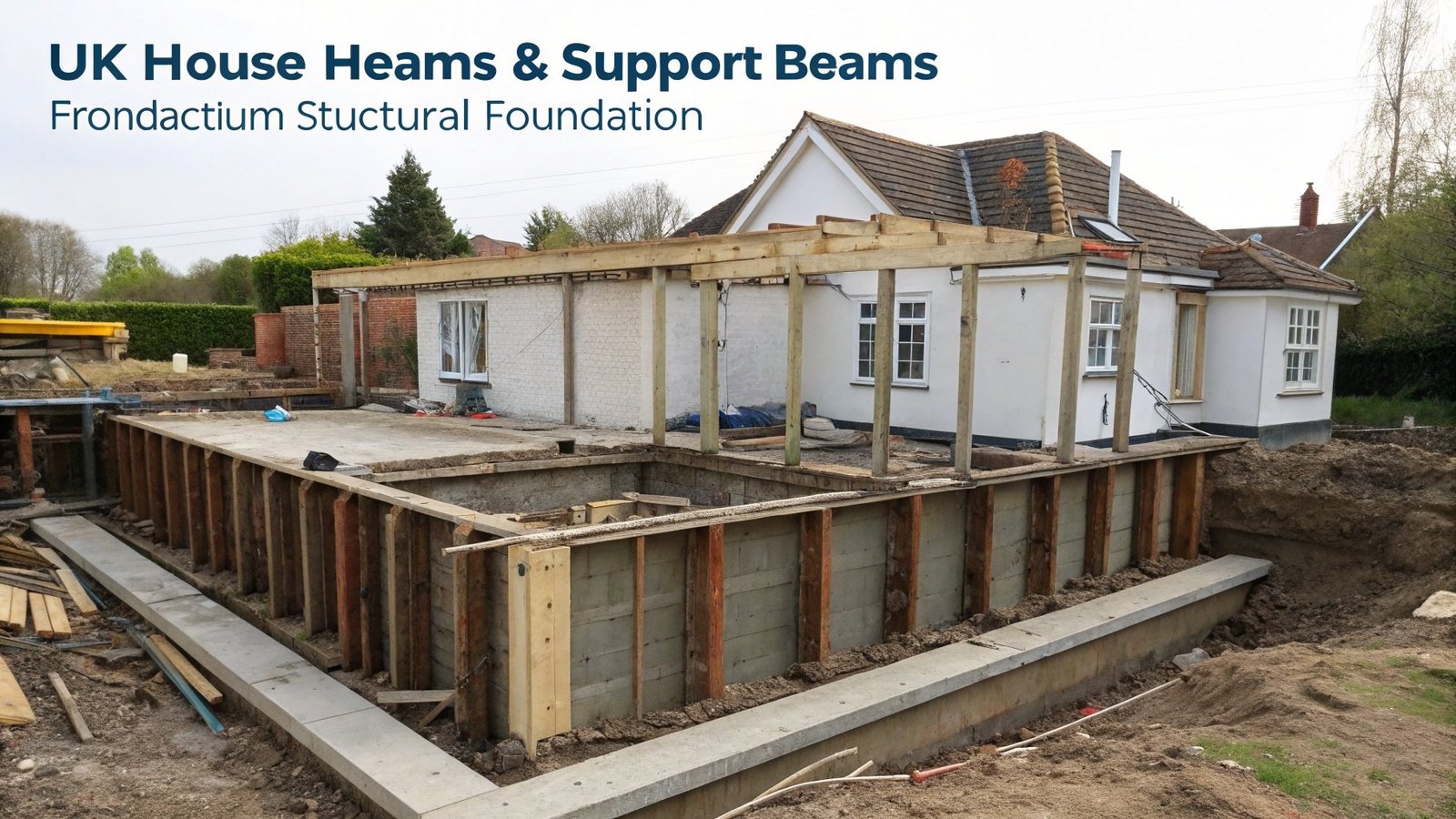
Structural problems are among the most serious defects a house survey can reveal. When you're buying a property, understanding common structural issues helps you interpret your survey report and make informed decisions. This comprehensive guide explains the structural problems our qualified surveyors most frequently encounter, what causes them, and what they mean for you as a buyer.
Understanding Structural vs. Non-Structural Issues
First, it's important to distinguish between structural and non-structural problems. Structural issues affect the building's load-bearing elements – the parts that hold the property up and keep it stable. Non-structural problems, while potentially expensive, don't threaten the building's integrity.
Structural Elements Include:
- Foundations supporting the entire building
- Load-bearing walls (external walls and some internal walls)
- Floor joists and beams carrying floor loads
- Roof structure (rafters, trusses, ridge beams)
- Lintels above windows and doors
- Structural frames in timber or steel frame buildings
Non-Structural Elements Include:
- Partition walls (non-load-bearing internal walls)
- Plasterwork and decorative finishes
- Windows and doors themselves (though openings are structural)
- Roof coverings (tiles, slates – though structure beneath is structural)
- Services (plumbing, electrics, heating)
When chartered surveyors identify structural problems, they're flagging issues that could affect the building's stability and safety. These typically require professional attention from structural engineers and can be expensive to repair.
Subsidence: The Most Serious Structural Problem
Subsidence is downward movement of the ground beneath a building's foundations. It's the structural problem that worries buyers most, and for good reason – it can be catastrophically expensive to fix.
What Causes Subsidence?
- Clay soil shrinkage: Clay soils expand when wet and shrink when dry. Long dry periods cause clay to shrink away from foundations
- Tree roots: Large trees near properties extract moisture from clay soil, causing shrinkage
- Leaking drains: Wash away supporting soil beneath foundations
- Mining activity: Historic or current mining in Wales, Northern Ireland, and parts of England
- Inadequate foundations: Particularly in older properties with shallow foundations
- Soil erosion: Ground washing away on slopes or near water courses
Signs of Subsidence Surveyors Look For:
- Cracks wider than 3mm, particularly if getting wider
- Stepped diagonal cracks in brickwork following mortar joints
- Vertical cracks near corners of buildings
- Cracks wider at top than bottom (subsidence) or wider at bottom than top (heave)
- Doors and windows sticking in frames or showing gaps
- Cracks appearing after dry weather or near large trees
- Rippling or cracking in wall surfaces internally
- Sloping floors (check with spirit level)
- Gaps between walls and ceiling or walls and floors
Subsidence vs. Settlement
Not all movement is subsidence. Settlement is normal, expected movement as new buildings bed down onto their foundations. Key differences:
- Settlement: Occurs mainly in first 10-15 years of a building's life, then stops
- Subsidence: Can occur at any time and tends to be ongoing
- Settlement cracks: Typically fine, stable, not worsening
- Subsidence cracks: Often wider, progressive, associated with specific causes
Experienced surveyors assess whether cracks are historical (stable) or active (still moving). Historical movement that has stabilized is common and doesn't necessarily affect the property's value or insurability. Active subsidence is serious.
Repair Costs for Subsidence
Subsidence repairs are expensive:
- Monitoring: £500-1,500 (observing cracks over 6-12 months)
- Minor underpinning: £10,000-15,000 for one corner
- Major underpinning: £15,000-50,000+ for extensive work
- Associated repairs: £5,000-20,000 (replastering, decorating, drain repairs)
Some properties with historic underpinning sell for 10-25% less than similar properties without subsidence history, even if the problem has been fixed.
Foundation Problems Beyond Subsidence
Heave
The opposite of subsidence – ground swells upwards, pushing foundations up. Common causes:
- Removal of large trees that previously extracted moisture from clay soil
- Prolonged wet weather after drought
- Leaking water mains adding water to ground
- Frost heave in some soil types
Signs include cracks wider at bottom than top, floors lifting, and doors not closing. Repair costs are similar to subsidence.
Inadequate Foundation Depth
Older properties, particularly those built before 1950, often have shallow foundations – sometimes only 2-3 courses of bricks (about 600mm) deep. Modern building regulations require minimum 1 meter depth.
Shallow foundations are vulnerable to:
- Frost damage in winter
- Tree root damage
- Clay soil movement
- Erosion or soil loss
If no movement is evident, shallow foundations aren't necessarily a problem. But they're a risk factor that surveyors note in reports.
Wall-Related Structural Problems
Bulging or Bowing External Walls
External walls can bulge outwards, particularly in older properties. Causes include:
- Wall tie failure: In cavity walls, metal ties connecting inner and outer leaves corrode
- Roof spread: Roof pushing outward on walls if rafters inadequately supported
- Floor joist pressure: Joists pushing against walls
- Lack of lateral restraint: Walls not properly tied to floors or roof
- Settlement or subsidence: Causing walls to lean
Surveyors measure bulging with plumb lines or laser levels. Bulges over 25mm need investigation. Severe bulging requires:
- Wall tie replacement (£50-100 per square meter)
- Wall plate replacement if roof spreading (£3,000-8,000)
- Wall restraint straps (£1,000-3,000)
- Rebuilding in severe cases (£10,000-30,000+)
Wall Tie Failure in Cavity Walls
Cavity walls (two brick or block leaves with a gap between) rely on metal wall ties connecting the leaves. Original ties in properties built 1920s-1980s often corrode, causing:
- Horizontal cracks along mortar courses at tie levels
- Bulging of external leaf
- Rust staining on brickwork
- Visible corrosion where ties exposed
Replacement involves installing new resin-fixed ties throughout affected walls. Costs: £50-100 per square meter of wall area.
Cracking in Walls
Not all cracks indicate serious problems, but surveyors assess them carefully:
Hairline cracks (less than 1mm):
- Usually cosmetic
- Often in plaster rather than structure
- Monitor but rarely serious
Fine cracks (1-3mm):
- May indicate minor settlement
- Monitor for change
- Usually not structurally significant if stable
Medium cracks (3-15mm):
- Require investigation
- May indicate structural movement
- Could be subsidence, heave, or other issues
- Need professional assessment
Wide cracks (over 15mm):
- Serious structural concern
- Urgent investigation needed
- Structural engineer report essential
- Major repair likely needed
Location and direction of cracks matter. Diagonal stepped cracks are more concerning than straight vertical cracks. Cracks near corners or around openings need particular attention.
Timber-Related Structural Problems
Wet Rot
Wet rot attacks timber in damp conditions (moisture content over 20%). Affected timber:
- Becomes soft and spongy
- Darkens in color
- Cracks in a cubed pattern
- Crumbles when probed
- Loses structural strength
Common locations include:
- Window and door frames (especially sills)
- Roof timbers if leaks present
- Floor joists in damp conditions
- Ends of joists built into damp walls
- External timber cladding
Treatment involves:
- Identifying and fixing moisture source (essential)
- Cutting out rotten timber
- Replacing with treated timber
- Ensuring adequate ventilation
Costs: £500-5,000 depending on extent. Wet rot won't spread once moisture source is removed.
Dry Rot
More serious than wet rot, dry rot (Serpula lacrymans fungus) can spread through masonry to attack dry timber. Signs include:
- Timber with deep cross-grain cracking
- Mushroom-like fruiting bodies
- White cotton wool-like mycelium
- Musty mushroom smell
- Pancake-shaped rust-colored spore dust
Dry rot treatment is specialist work:
- Remove all affected timber (plus 300-600mm beyond)
- Remove plaster to 300mm beyond affected areas
- Treat masonry with fungicidal solution
- Replace timber with pre-treated wood
- Install proper ventilation
- Address moisture source
Costs: £2,000-15,000+ depending on severity. Dry rot treatment often comes with 20-30 year guarantees.
Woodworm (Wood-Boring Beetles)
Several beetle species attack timber. Most common is Common Furniture Beetle. Signs include:
- Small round flight holes (1-2mm diameter)
- Fine powder (frass) around holes or below timber
- Weak or damaged timber
- Live beetles (May-August)
Not all woodworm is active. Surveyors assess whether:
- Infestation is current (fresh holes, frass) or historic (old holes, no activity)
- Structural timbers are affected (serious) or just furniture/floorboards (less serious)
- Damage is extensive or limited
Treatment costs: £500-2,000 for spray treatment, more if timber replacement needed. Historic woodworm that's no longer active may need no treatment.
Floor Structure Problems
Bouncy or Springy Floors
Excessive floor bounce indicates:
- Inadequate joist sizing for span
- Joists weakened by rot or beetle attack
- Missing or inadequate strutting between joists
- Joists cut or notched excessively for services
- Wall plate decay where joists bear on walls
Repairs range from adding strutting (£500-1,500) to complete joist replacement (£3,000-8,000 per room).
Sloping Floors
Floors that noticeably slope can indicate:
- Foundation movement or subsidence
- Settlement in older properties (may be historical and stable)
- Overloaded floor structures
- Joist decay or failure
Surveyors use spirit levels to measure slopes. Slopes over 1:100 (1cm per meter) warrant investigation.
Underfloor Ventilation Issues
Suspended timber floors need ventilation to prevent rot. Blocked air bricks cause:
- Condensation in underfloor voids
- Timber decay
- Musty smells
- Floor failure
Simple fix: unblock air bricks and add more if needed (£200-800).
Roof Structure Problems
Roof Spread
Occurs when rafters push outwards on walls they bear on, causing walls to lean out. Signs include:
- Bulging at top of external walls
- Cracks where walls meet roof
- Sagging ridge line
- Doors and windows sticking at top
Causes include:
- Missing or inadequate collar ties
- Decay of tie beams
- Heavy roof covering (concrete tiles on structure designed for slates)
- Roof alterations removing restraint
Repairs involve installing or replacing ties and restraining walls. Costs: £3,000-8,000.
Sagging or Deflection
Roofs can sag due to:
- Undersized timbers
- Decay in structural members
- Beetle attack weakening timbers
- Excessive load from roof covering or storage in loft
- Alterations removing support
Visible sag means structural timbers need reinforcing or replacing. Costs: £2,000-12,000 depending on extent.
Purlin and Rafter Problems
- Cracked or split purlins (main supporting beams)
- Broken rafters
- Inadequate support at purlin ends
- Decay in timber roof structure
Major roof structure repairs: £5,000-20,000+ depending on extent and accessibility.
Lintel Failures
Lintels support masonry above windows and doors. Failure causes:
- Cracks above window or door openings
- Sagging or dropping of masonry
- Windows or doors binding in frames
- Visible deflection of lintel
Common causes:
- Corrosion of steel lintels (rust expands, cracking masonry)
- Inadequate bearing at lintel ends
- Lintel too small for opening span
- Decay of timber lintels in older properties
Lintel replacement requires temporary support of masonry above. Costs: £500-2,000 per opening.
Alterations and Their Problems
Removed Load-Bearing Walls
Opening up properties by removing walls can cause problems if not done properly:
- Inadequate beam size for span and load
- Insufficient bearing at beam ends
- No building control approval (affects insurance and resale)
- Cracking above openings
- Floor sagging if wall supported floor above
Surveyors look for:
- Building control completion certificates
- Structural engineer calculations
- Appropriate beam specification
- Adequate support posts or padstones
- Any signs of distress from alterations
Retrospective building control approval can be difficult and expensive.
Loft Conversions
Poorly executed loft conversions create structural risks:
- Original roof structure not designed for room loads
- Rafters cut weakening roof
- Inadequate floor structure
- Removal of structural bracing
- No building control approval
- Inadequate fire protection
Always check for building control certification on loft conversions.
When to Commission Specialist Reports
Your RICS survey may recommend specialist investigations for:
- Structural engineer reports: For serious cracks, subsidence, or alterations (£400-1,000)
- Timber and damp surveys: For rot, beetle attack, or widespread damp (£200-500)
- Drainage surveys: If drain defects suspected (£200-400)
- Monitoring: To determine if cracks are active (£500-1,500 over 6-12 months)
These reports provide detailed analysis and costed remediation schemes, giving you clarity before proceeding.
Negotiating After Structural Problems Are Found
If your survey reveals structural issues:
Get Repair Quotes
- Obtain at least two quotes from reputable contractors
- Include specialist reports if recommended
- Factor in additional costs (redecoration, temporary accommodation)
Your Options
- Request price reduction: Based on repair costs plus compensation for hassle
- Request repairs before completion: Seller fixes issues before you complete
- Retention: Money held in escrow until repairs done
- Walk away: If problems too serious or expensive
Insurance Implications
Some structural problems affect insurance:
- Historic subsidence may require specialist insurers
- Underpinned properties often pay higher premiums
- Some insurers won't cover properties with active movement
- Non-traditional construction may limit insurer choice
Check insurance availability and cost before proceeding with purchase.
The Importance of Professional Surveys
Structural problems aren't always visible to untrained eyes. That's why professional surveys from qualified chartered surveyors are essential. They have:
- Training to recognize structural issues
- Experience assessing severity and causes
- Equipment to measure and document problems
- Knowledge of typical repair costs
- Understanding of insurance and legal implications
For properties with potential structural concerns, consider a RICS Level 3 Building Survey – the most comprehensive option providing detailed structural assessment.
Get Expert Structural Assessment
Our RICS qualified surveyors have extensive experience identifying and assessing structural problems. We provide detailed reports with clear explanations and practical recommendations, helping you make informed decisions about your property purchase.