Understanding Damp in Property Surveys: A Complete Guide
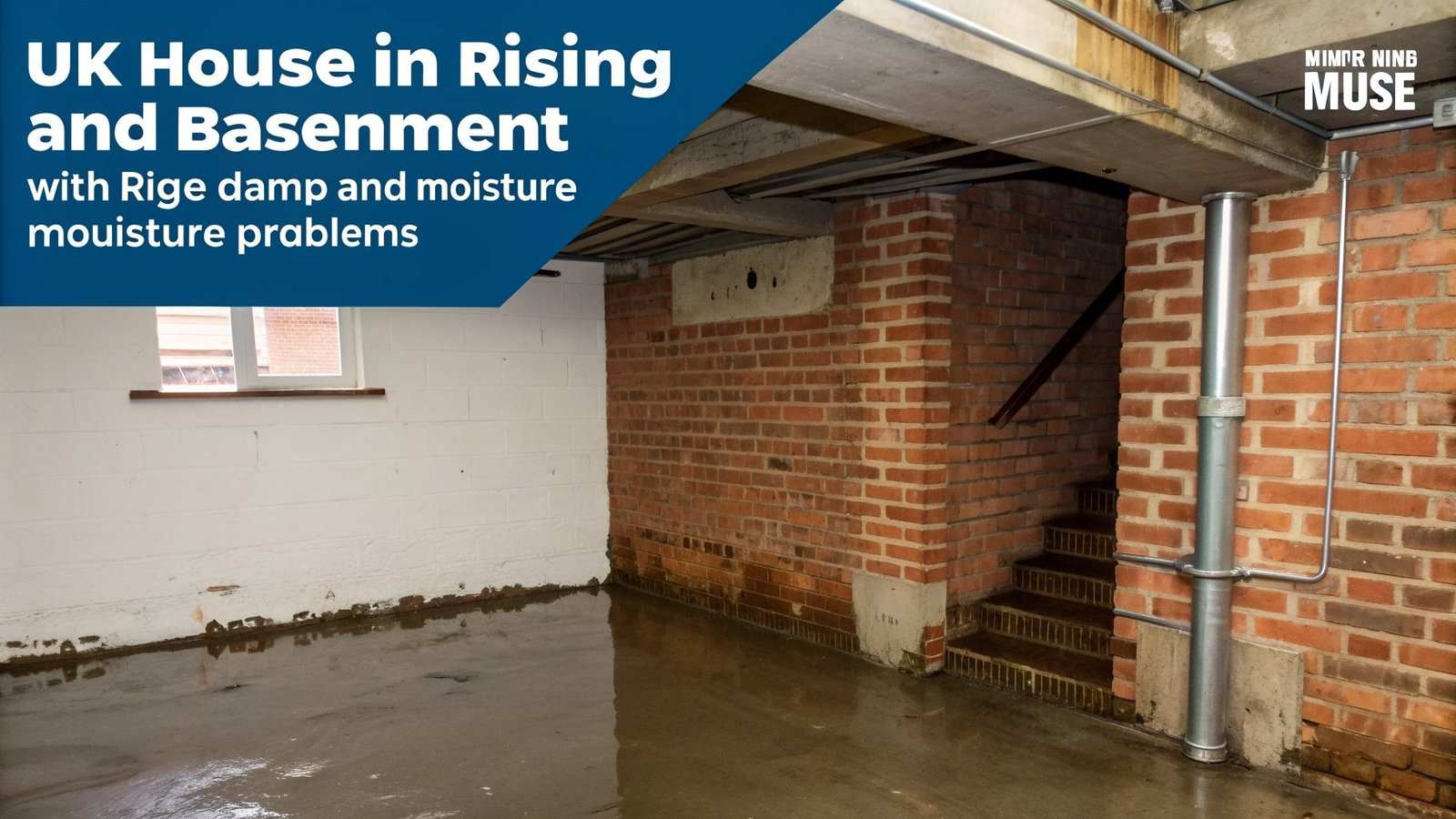
Damp is one of the most common defects found in UK property surveys. It's also one of the most misunderstood. When you're buying a house and your survey mentions damp, it can be worrying. But not all damp is created equal. This guide explains everything you need to know about damp in house surveys, from what causes it to how much it costs to fix.
Why Damp Matters When Buying a Property
When qualified surveyors conduct a home survey, checking for damp is a critical part of the inspection. Why? Because damp can:
- Damage the structure of the property over time
- Cause rot in timber floors, joists, and roof structures
- Create health problems including respiratory issues
- Lead to mold growth and unpleasant odors
- Cost thousands of pounds to remediate
- Reduce the property's value significantly
That's why getting a survey when buying a house is so important. A professional RICS home survey will identify damp issues before you commit to the purchase, giving you the power to negotiate or walk away if the problem is severe.
The Three Main Types of Damp
Chartered surveyors categorize damp into three main types. Understanding the difference helps you interpret your house survey report and know what action to take.
1. Rising Damp
Rising damp occurs when groundwater moves up through the walls of a building by capillary action. It's like water moving up through a sponge. In older properties, this happens when the damp proof course (DPC) has failed or is absent.
Common signs of rising damp:
- Tide marks on walls, usually up to 1 meter high
- Discolored or stained plaster at the base of walls
- Peeling wallpaper or paint near the floor
- White salt deposits on walls (efflorescence)
- Damp or musty smell
- Crumbling plaster and skirting boards
During a building survey, surveyors use moisture meters to detect damp that might not be visible. They'll measure moisture levels at different heights on the wall to confirm if it's genuinely rising damp or another issue.
How serious is it?
Rising damp is a significant defect that requires professional treatment. However, it's also one of the most over-diagnosed damp problems. Many cases labeled as "rising damp" are actually penetrating damp or condensation. That's why you need qualified surveyors who understand the different types of damp.
Typical repair costs:
- Installing a new damp proof course: £1,500-£3,000 for a typical terraced house
- Replastering affected walls: £500-£1,500 per room
- Total costs including decoration: £3,000-£6,000+
2. Penetrating Damp
Penetrating damp (also called lateral damp) happens when water enters a property through walls, the roof, or around windows and doors. Unlike rising damp, penetrating damp can occur at any height and often appears after heavy rain.
Common causes:
- Damaged or missing roof tiles
- Blocked or damaged gutters and downpipes
- Cracked or porous brickwork
- Failed mortar pointing
- Defective window and door seals
- Bridged cavity walls
- Missing or damaged flashing
How to spot penetrating damp:
- Damp patches that appear after rainfall
- Staining on walls, especially on external walls
- Water marks on ceilings near the roof
- Damp patches around windows and doors
- Mold growth on affected areas
- Musty smell that gets worse after rain
A RICS Level 2 survey or Level 3 building survey will identify the source of penetrating damp by inspecting the roof, walls, guttering, and external elements. Surveyors may also check cavity walls for bridging or debris that allows water to cross from the outer to inner leaf.
How serious is it?
Penetrating damp can range from minor to serious depending on the cause and duration. Long-term penetrating damp can lead to structural timber decay and significant damage. However, it's often easier and cheaper to fix than rising damp because you're addressing the source rather than treating symptoms.
Typical repair costs:
- Roof repairs: £500-£3,000 depending on extent
- Repointing brickwork: £1,000-£4,000 for a typical house
- Gutter replacement: £400-£1,200
- Window seal replacement: £200-£800
3. Condensation
Condensation is the most common form of damp in UK properties. It occurs when warm, moist air meets cold surfaces, causing water droplets to form. It's particularly common in bathrooms, kitchens, and bedrooms.
Common causes:
- Poor ventilation
- Inadequate heating
- Cooking and showering without extraction
- Drying clothes indoors
- Modern sealed windows with no ventilation
- Insufficient insulation
How to spot condensation:
- Water droplets on windows, especially in the morning
- Mold growth, particularly black mold spots
- Musty smell in rooms
- Damp patches on walls and ceilings, often in corners
- Peeling paint or wallpaper
- Water streaming down windows
During a property survey, experienced surveyors can distinguish condensation from other types of damp. They'll check ventilation, look at the pattern of damp and mold, and assess the property's heating system.
How serious is it?
While condensation is rarely a structural issue, it can cause health problems and damage decorations. It's also the easiest type of damp to fix, usually requiring behavioral changes and improved ventilation rather than major building works.
Typical solution costs:
- Installing extractor fans: £150-£400 per room
- Improving insulation: £500-£3,000 depending on property
- Installing passive ventilation: £200-£600
- Most solutions are relatively inexpensive
How Surveyors Test for Damp
When conducting a house survey, qualified surveyors use several methods to detect and assess damp:
Moisture Meters
The primary tool is an electronic moisture meter. These come in two types:
Pin-type meters: Have two metal pins that penetrate the surface to measure electrical resistance. The damper the material, the lower the resistance. These are accurate but can leave small marks.
Pinless meters: Use electromagnetic waves to scan for moisture without damaging the surface. They're less precise but useful for initial screening.
Moisture meter readings are usually given as a percentage. Generally:
- Below 15%: Normal, acceptable moisture levels
- 15-20%: Borderline, may indicate early damp problem
- 20-25%: Damp present, investigation needed
- Above 25%: Significant damp, requires remedial action
Visual Inspection
Experienced chartered surveyors can spot damp from visual clues:
- Staining patterns on walls and ceilings
- Efflorescence (white salt deposits)
- Peeling paint or wallpaper
- Mold growth patterns
- Damaged plaster
- Rotting timber
Thermal Imaging
Modern surveys may include thermal imaging cameras. These show temperature differences that can indicate moisture, as damp areas are cooler than dry ones. This technology can detect hidden damp before it becomes visible.
What Your Survey Report Says About Damp
When you receive your house survey report, damp issues will be clearly identified. A RICS Level 2 homebuyer report uses a traffic light system:
- Green (1): No significant damp detected. Normal moisture levels for the property type and age.
- Amber (2): Some damp present that needs attention but isn't immediately urgent. Monitor and budget for repairs.
- Red (3): Significant damp requiring urgent investigation and remedial work. Consider if you want to proceed with the purchase.
A comprehensive building survey will provide more detailed information:
- Location and extent of damp
- Type of damp (rising, penetrating, or condensation)
- Likely cause
- Recommendations for further investigation
- Suggested remedial works
- Urgency of repairs
Common Damp Problems in Different Property Types
Victorian and Edwardian Properties (Pre-1919)
These period properties often experience:
- Failed or absent damp proof courses
- Solid wall construction allowing easier penetration
- Original lime plaster that hides damp symptoms
- Aging drainage systems
A RICS Level 3 building survey is recommended for properties of this age to thoroughly assess damp and other structural issues.
1930s-1950s Properties
Properties from this era commonly have:
- Original damp proof courses that may be failing
- Cavity walls that can be bridged
- Single-glazed windows causing condensation
- Aging pointing between bricks
Modern Properties (1980s Onwards)
Even newer homes can have damp issues:
- Condensation from poor ventilation
- Defects in construction
- Sealed windows without trickle vents
- Inadequate extraction in bathrooms and kitchens
If you're buying a new build, a snagging survey will check for construction defects including improper damp proofing.
Flats and Apartments
Flats face unique damp challenges:
- Leaks from flats above
- Shared drainage issues
- Limited control over building maintenance
- Condensation from lack of through-ventilation
What to Do If Your Survey Finds Damp
If your property survey reveals damp, don't panic. You have several options:
Option 1: Request Further Investigation
Sometimes the survey will recommend further investigation by a damp specialist. This provides detailed information about the extent of the problem and exact remedial costs. The specialist report gives you leverage for negotiation.
Option 2: Negotiate the Price
Use the survey findings to renegotiate. If fixing the damp will cost £5,000, ask for a price reduction to cover this cost. Many sellers agree rather than risk losing the sale. This is where getting a survey when buying a house really pays off.
Option 3: Request Repairs Before Completion
For serious damp issues, ask the seller to fix the problem before you complete. Get written confirmation that qualified contractors will do the work and request guarantees.
Option 4: Walk Away
If the damp is extensive or the cause is unclear, it might be wise to withdraw from the purchase. Your survey has just saved you from a potentially disastrous investment.
Preventing Damp After You Buy
Once you've bought the property, prevent future damp problems:
Regular Maintenance
- Clear gutters and downpipes twice yearly
- Check and repair roof tiles promptly
- Maintain pointing between bricks
- Keep external ground levels below the DPC
- Ensure airbricks aren't blocked
Improve Ventilation
- Open windows daily to allow air circulation
- Use extractor fans when cooking or showering
- Leave trickle vents open on windows
- Don't block air vents
- Consider installing a positive input ventilation system
Heat Your Home Properly
- Maintain consistent low-level heating
- Don't leave rooms completely unheated
- Insulate properly to reduce cold surfaces
Damp Treatment: What Works and What Doesn't
If you need to treat damp, understanding effective solutions helps you avoid wasting money:
Effective Treatments
For rising damp:
- Chemical DPC injection (modern silicone-based systems)
- Physical DPC insertion (more disruptive but very effective)
- Replastering with breathable materials
For penetrating damp:
- Fix the source (roof repairs, repointing, etc.)
- Improve external drainage
- Install cavity wall trays if bridging is the issue
For condensation:
- Improve ventilation
- Upgrade insulation
- Use dehumidifiers
- Modify behavior (open windows, use extraction)
Treatments to Be Wary Of
- Tanking (waterproofing internally) - can trap moisture and cause more damage
- Non-breathable renders on solid walls - prevent walls from breathing naturally
- Damp-proof paints alone - mask symptoms without addressing causes
- Cheap, old-fashioned DPC systems - may not work effectively
When to Get a Specialist Damp Survey
Sometimes your property survey will recommend a specialist damp survey. This is advisable when:
- Damp is extensive or in multiple locations
- The cause isn't immediately obvious
- You're buying an older or unusual property
- Previous damp treatments appear to have failed
- There's significant timber decay
- You need detailed costs for negotiation
A specialist survey typically costs £200-£500 but provides detailed technical analysis and treatment specifications. Make sure the specialist is independent – not tied to a damp treatment company who might recommend unnecessary work.
Damp Myths Debunked
Myth 1: "All Old Houses Have Damp"
Not true. Many period properties are completely free from damp when properly maintained. Age doesn't automatically mean damp problems.
Myth 2: "Rising Damp is Common"
Actually, true rising damp is relatively rare. Many cases diagnosed as "rising damp" are actually penetrating damp or condensation. Beware of damp companies that routinely diagnose rising damp – they might be trying to sell expensive treatments you don't need.
Myth 3: "You Can't Get a Mortgage on a Property with Damp"
While significant damp can affect mortgage lending, minor damp issues are usually acceptable. The lender's valuation will note any serious problems that affect the property's value or mortgageability.
Myth 4: "Damp Proofing Lasts Forever"
Chemical damp proof courses have limited lifespans – typically 20-30 years. They're not permanent solutions and may need retreatment over time.
The Cost of Ignoring Damp
Ignoring damp problems leads to escalating costs:
- Timber decay: Wet rot and dry rot can destroy floor joists, roof timbers, and structural beams - costing £10,000-£30,000+ to repair
- Structural damage: Long-term damp can affect masonry and cause wall movement
- Health impacts: Mold and damp can cause respiratory problems, especially in children
- Decreased property value: Untreated damp can reduce your property's value by 10-20%
- Insurance issues: Insurers may refuse to cover damp-related damage if you haven't addressed known problems
A £500 survey that identifies a £2,000 damp problem before you buy is much cheaper than discovering the issue after purchase when it's become a £10,000 problem.
Final Thoughts on Damp in Property Surveys
Damp is common in UK properties, but it's usually treatable. The key is getting a professional house survey from qualified surveyors who can accurately diagnose the type and extent of damp. This information empowers you to make informed decisions about your property purchase.
Remember:
- Not all damp is serious - some is minor and easily fixed
- Understanding the type of damp helps you assess treatment costs
- Your survey gives you negotiating power
- Walking away from a property with serious damp issues might be the right decision
- Prevention through maintenance is cheaper than cure
Whether you need a RICS Level 1, Level 2, or Level 3 survey, professional chartered surveyors will thoroughly assess damp conditions and provide clear recommendations. Don't buy a property without understanding its true condition – damp problems are too serious and expensive to discover after completion.
Need a Professional Damp Assessment?
Our RICS accredited surveyors provide comprehensive property surveys that accurately identify and assess all types of damp. We use professional moisture meters, thermal imaging, and decades of experience to give you detailed information about your property's condition.