Surveying Eco-Friendly Homes: What Buyers Need to Know
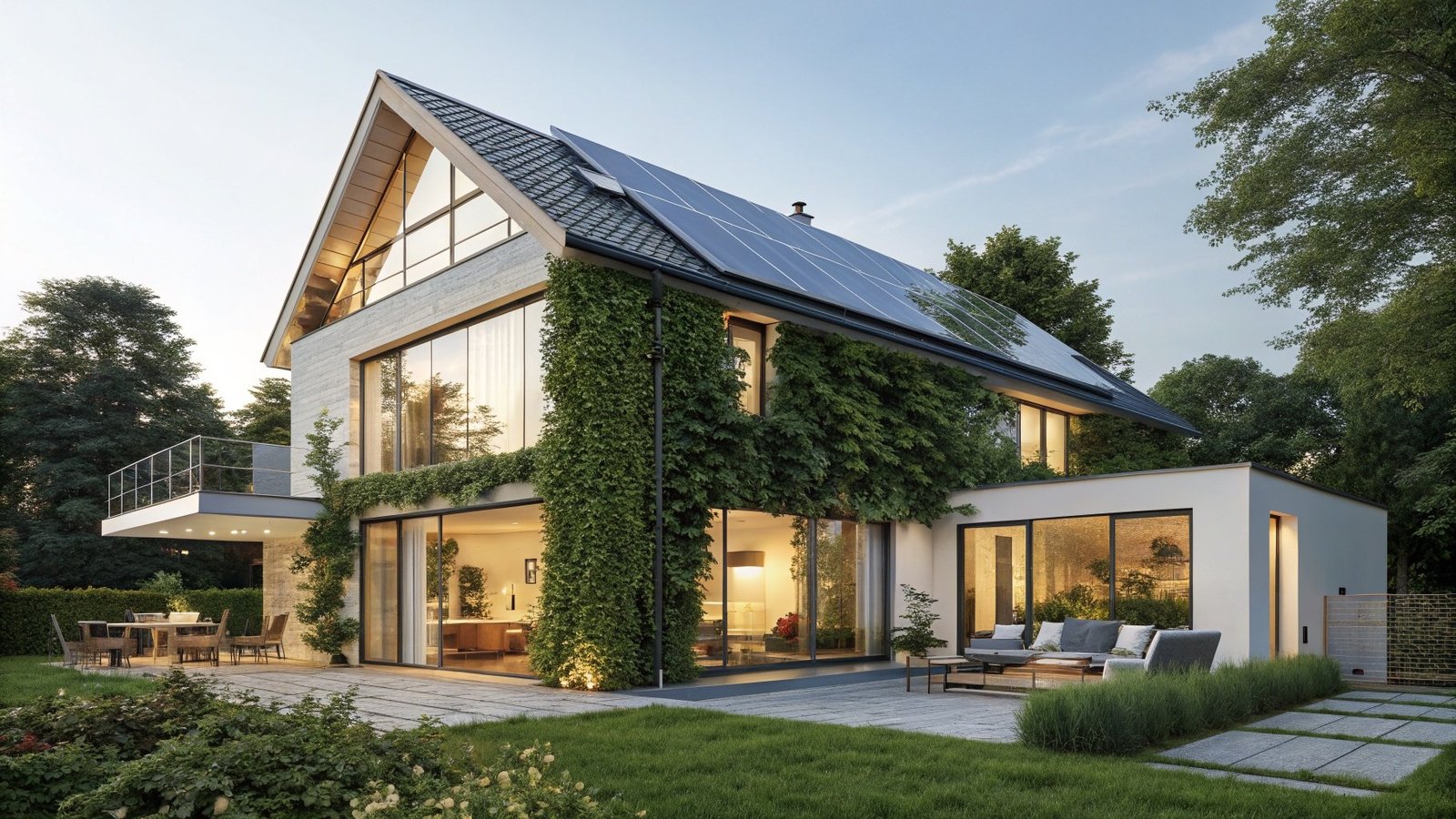
Eco-friendly homes are increasingly popular as buyers seek energy-efficient, sustainable properties that lower running costs and reduce environmental impact. But green homes present unique survey considerations. Solar panels, heat pumps, enhanced insulation, and sustainable materials all require specialist assessment. This guide explains what your house survey should cover when buying an eco-friendly property.
What Makes a Home Eco-Friendly?
Eco-friendly or "green" homes incorporate features designed to reduce energy consumption, minimize environmental impact, and create healthy living spaces. These properties might be purpose-built eco homes or conventional properties retrofitted with sustainable improvements.
Common Eco Features
- Solar photovoltaic (PV) panels generating electricity
- Solar thermal panels for hot water
- Air source or ground source heat pumps
- Enhanced insulation (walls, roof, floors)
- Triple-glazed windows and doors
- Mechanical ventilation with heat recovery (MVHR) systems
- Rainwater harvesting systems
- Greywater recycling
- Green roofs or walls
- Sustainable building materials (timber frame, recycled content)
- Passive solar design (orientation, window placement)
- High-efficiency lighting and appliances
When you're buying a house with these features, qualified surveyors need specialist knowledge to assess them properly.
Why Eco Homes Need Specialist Survey Attention
Eco-friendly features are investments costing thousands of pounds. Your survey must verify they're functioning correctly, properly installed, and actually delivering the promised benefits. Problems with green technology can be expensive to fix and may not provide the energy savings you expect.
Consider Rachel's experience. She bought a "fully eco-refurbished" Victorian terrace without a comprehensive survey. After moving in, she discovered the solar panels weren't connected properly, the heat pump was undersized for the property, and cavity wall insulation had caused damp issues. Remedial work cost over £15,000. A thorough RICS Level 3 survey by surveyors experienced with eco features would have identified these problems before purchase.
Solar Panel Systems: What Surveys Should Check
Solar PV panels are one of the most common eco features in UK homes. Your survey needs to assess their condition, efficiency, and any associated risks.
Installation Quality
Chartered surveyors should examine:
- Mounting system security and condition
- Roof penetrations properly sealed (preventing leaks)
- Cable routing and protection
- Inverter location and condition
- Electrical installation safety
- System age and manufacturer
- Evidence of installation certification (MCS approved)
- Whether panels comply with building regulations
Roof Impact
Solar panels add weight to roofs and create fixing points that penetrate the weatherproof layer. Surveyors need to check:
- Is the roof structure capable of bearing the additional load?
- Has structural reinforcement been properly installed if needed?
- Are fixings causing or likely to cause leaks?
- Is roof condition adequate under panels (you can't see it once panels are fitted)?
- Will the roof need replacing soon? (removing and refitting panels costs £1,500-3,000)
Financial Considerations
Your survey report should address:
- Is there an active Feed-in Tariff (FiT) or Smart Export Guarantee (SEG)?
- Are FiT payments transferable to you as the new owner?
- Are panels owned or leased? (leased panels can complicate mortgages)
- Remaining warranty periods
- Expected system lifespan (typically 25-30 years for panels, 10-15 for inverters)
Performance Issues
Surveyors with thermal imaging equipment can identify:
- Hot spots on panels indicating cell failures
- Shading issues reducing output
- Dirt or debris accumulation affecting efficiency
- Damage to panels (cracks, delamination)
Heat Pump Systems
Air source and ground source heat pumps are low-carbon alternatives to gas boilers. They're expensive to install (£8,000-20,000+) and your survey must verify they're working effectively.
Air Source Heat Pumps (ASHP)
External units that extract heat from outside air. Survey checks include:
- Unit condition and age
- Correct sizing for the property (undersized pumps won't heat adequately)
- Installation quality (is it properly mounted and secured?)
- Noise levels (important for you and neighbors)
- Distance from boundaries and windows (planning regulations)
- Refrigerant pipework condition
- Electrical connections and safety
- Evidence of proper commissioning and certification
- Radiator sizing (heat pumps need larger radiators or underfloor heating)
Ground Source Heat Pumps (GSHP)
Underground loop systems that extract heat from the ground. These are complex and surveys should assess:
- Type of loop system (horizontal or vertical borehole)
- Evidence of proper installation and testing
- Location of ground loops (must be documented)
- Heat pump unit condition and age
- System efficiency and performance
- Buffer tank condition if fitted
- Warranty status and remaining coverage
Common Heat Pump Problems
Issues our surveyors frequently find include:
- Undersized systems unable to heat the property adequately
- Poor insulation undermining heat pump efficiency
- Incorrect radiator sizing (too small for lower temperature water)
- No insulation on hot water cylinder (reducing efficiency)
- Lack of weather compensation controls
- Installation in inappropriate locations
Heat pumps work best in well-insulated properties with underfloor heating or large radiators. If the property isn't suitable, the system will be expensive to run despite being "eco-friendly."
Insulation: Enhanced Performance
Eco homes typically feature insulation beyond building regulation minimums. Your survey should verify insulation is effective and hasn't caused unintended problems.
Wall Insulation
Cavity Wall Insulation:
- Has it been installed? (surveyor checks with borescope)
- Is it appropriate for the property? (some exposed locations shouldn't have it)
- Is there a CIGA guarantee? (25-year insurance-backed warranty)
- Has it caused damp problems? (common in exposed or older properties)
- Is it evenly distributed? (gaps reduce effectiveness)
Solid Wall Insulation (Internal or External):
- Installation quality and finish
- Has it caused condensation or mold issues?
- Are ventilation provisions adequate?
- Was it installed professionally with guarantees?
- Impact on room sizes (internal) or appearance (external)
Roof Insulation
Modern standards require 270mm of loft insulation. Eco homes often exceed this:
- Thickness and coverage (surveyors measure this)
- Type of insulation used
- Is it installed correctly? (gaps and compression reduce effectiveness)
- Adequate ventilation above insulation? (prevents condensation)
- Are water tanks and pipes insulated?
- If a warm roof (insulation at rafter level) – is it breathable?
Floor Insulation
- Presence and type of underfloor insulation
- Installation method and quality
- Impact on underfloor ventilation (crucial for suspended floors)
- Thermal bridging issues at junctions
Ventilation Systems
Highly insulated eco homes require mechanical ventilation to prevent condensation and ensure air quality. Common systems include:
MVHR (Mechanical Ventilation with Heat Recovery)
These extract stale air, recover its heat, and use it to warm fresh incoming air. Surveys should check:
- System condition and age
- Filter condition (need regular replacement)
- Ductwork installation and insulation
- Unit noise levels
- Evidence of proper commissioning
- User controls and programming
- Is the system actually running effectively?
- Maintenance records
PIV (Positive Input Ventilation)
Simpler systems that push filtered air into the property:
- Unit condition and location
- Filter condition
- Is it adequately sized for the property?
- Heating element condition (if fitted)
Poor ventilation in well-insulated homes causes condensation, mold, and indoor air quality problems. Your survey must verify ventilation is adequate.
Windows and Glazing
Eco homes often feature triple glazing or high-performance double glazing:
- Glazing type and U-values (measure of insulation)
- Frame materials and condition
- Are windows and doors properly sealed?
- Evidence of FENSA or Certass certification
- Any condensation between panes? (seal failure)
- Operation and locks functioning
- Appropriate trickle ventilation
Triple glazing is heavier than double glazing and requires robust frames and hinges. Check for sagging or operational issues.
Water Management Systems
Rainwater Harvesting
Systems that collect and store rainwater for toilets, washing machines, or garden use:
- Storage tank location, size, and condition
- Pump condition and operation
- Filtration system adequacy
- UV treatment if used for washing (kills bacteria)
- Proper backflow prevention to mains water
- Maintenance requirements and ease of access
- Actual water savings achieved
Greywater Recycling
Systems that reuse water from showers and basins:
- System type and capacity
- Treatment method (biological, mechanical, or chemical)
- Storage tank condition
- Maintenance requirements (often more demanding than rainwater systems)
- Does it comply with regulations?
- Running costs (electricity for pumps and treatment)
Greywater systems require regular maintenance. Check if the system has been properly maintained and is functioning effectively.
Sustainable Building Materials
Some eco homes use non-traditional construction materials. Surveyors need experience with:
Timber Frame Construction
- Frame condition and protection from weather
- Breathable membrane integrity
- Evidence of any moisture ingress
- Quality of cladding and protection
- Structural engineer certification if needed
Structural Insulated Panels (SIPs)
- Installation quality and sealing
- Junction details (potential cold bridges)
- External finish condition
- Any signs of movement or settling
Natural Materials
Straw bale, hempcrete, or other natural insulation materials:
- Condition and weatherproofing
- Moisture levels (critical for natural materials)
- Render or cladding condition
- Evidence of pest issues
- Building control approval documentation
Mortgage lenders can be cautious about non-traditional construction. Check your lender accepts the construction type before proceeding.
Energy Performance Certificate (EPC)
Eco homes should have excellent EPC ratings (typically A or B). Your survey should verify:
- Current EPC rating and recommendations
- Is the rating achievable? (some are over-optimistic)
- Actual energy consumption vs. EPC predictions
- What improvements would raise the rating further?
- Are claimed eco features accurately reflected in the EPC?
Ask the seller for energy bills. If a property with an A rating has high bills, something isn't working correctly.
Cost vs. Benefit Analysis
Eco features cost money to install. Your survey should help you assess whether you're getting value:
What to Evaluate
- Installation quality justifying the property's asking price
- Realistic energy savings based on system sizes and efficiency
- Remaining warranty periods and transferability
- Maintenance costs for eco systems
- Repair or replacement costs as systems age
- Whether eco features are appropriate for the property type
Some sellers overvalue eco improvements. A £8,000 solar panel system doesn't add £8,000 to property value – it might add £4,000-6,000. Similarly, if a heat pump is undersized or the house is poorly insulated, the eco features may not deliver expected savings.
Common Problems in Retrofitted Eco Homes
Properties retrofitted with eco features present unique risks:
Condensation and Mold
Sealing a property without adequate ventilation traps moisture:
- Mold growth in corners and on external walls
- Condensation on windows and cold surfaces
- Musty smells and poor air quality
- Damage to decorations and furnishings
Thermal Bridging
Poor insulation details create cold spots:
- Cold patches visible with thermal imaging
- Condensation at junctions and around windows
- Heat loss reducing system efficiency
Installation Quality Issues
- DIY installations lacking certification
- Systems not commissioned properly
- Lack of building control approval where needed
- Incompatible systems (e.g., heat pump with inadequate insulation)
- Work affecting structural elements without approval
Questions to Ask Sellers
When buying an eco-friendly home, ask:
- What are the actual energy bills? (request evidence)
- When were eco features installed?
- Who installed them? (MCS certified for renewable tech?)
- Are there warranties or guarantees? (get documentation)
- What maintenance do systems require?
- Have there been any problems with eco systems?
- Are there monitoring systems showing energy generation/consumption?
- Are Feed-in Tariff or other scheme payments transferable?
- Is equipment owned or leased?
- Has planning permission been obtained where needed?
Choosing the Right Survey for Eco Homes
For eco-friendly properties, we recommend:
- New build eco homes: Snagging survey plus consideration of eco systems
- Modern eco homes (less than 10 years): RICS Level 2 with eco features assessment
- Retrofitted older properties: RICS Level 3 from surveyor experienced with eco features
- Complex eco systems: Additional specialist reports for renewable technology
At I House Survey, our chartered surveyors have experience assessing eco-friendly properties and can arrange specialist consultations for complex renewable energy systems.
The Bottom Line on Eco Home Surveys
Eco-friendly homes offer genuine benefits – lower running costs, reduced environmental impact, and often better comfort. But these benefits depend on systems being properly specified, installed, and maintained.
A comprehensive house survey from qualified surveyors ensures eco features are genuine assets rather than expensive problems waiting to happen. The survey investment protects your much larger investment in the property.
Don't assume eco homes are problem-free because they're "green." They need the same careful inspection as any property – plus additional scrutiny of their specialist systems.
Survey Your Eco Home with Confidence
Our RICS qualified surveyors assess eco-friendly features including solar panels, heat pumps, and enhanced insulation. Get a comprehensive survey that evaluates both traditional construction and modern green technology.