How Modern Survey Technology Protects Property Buyers
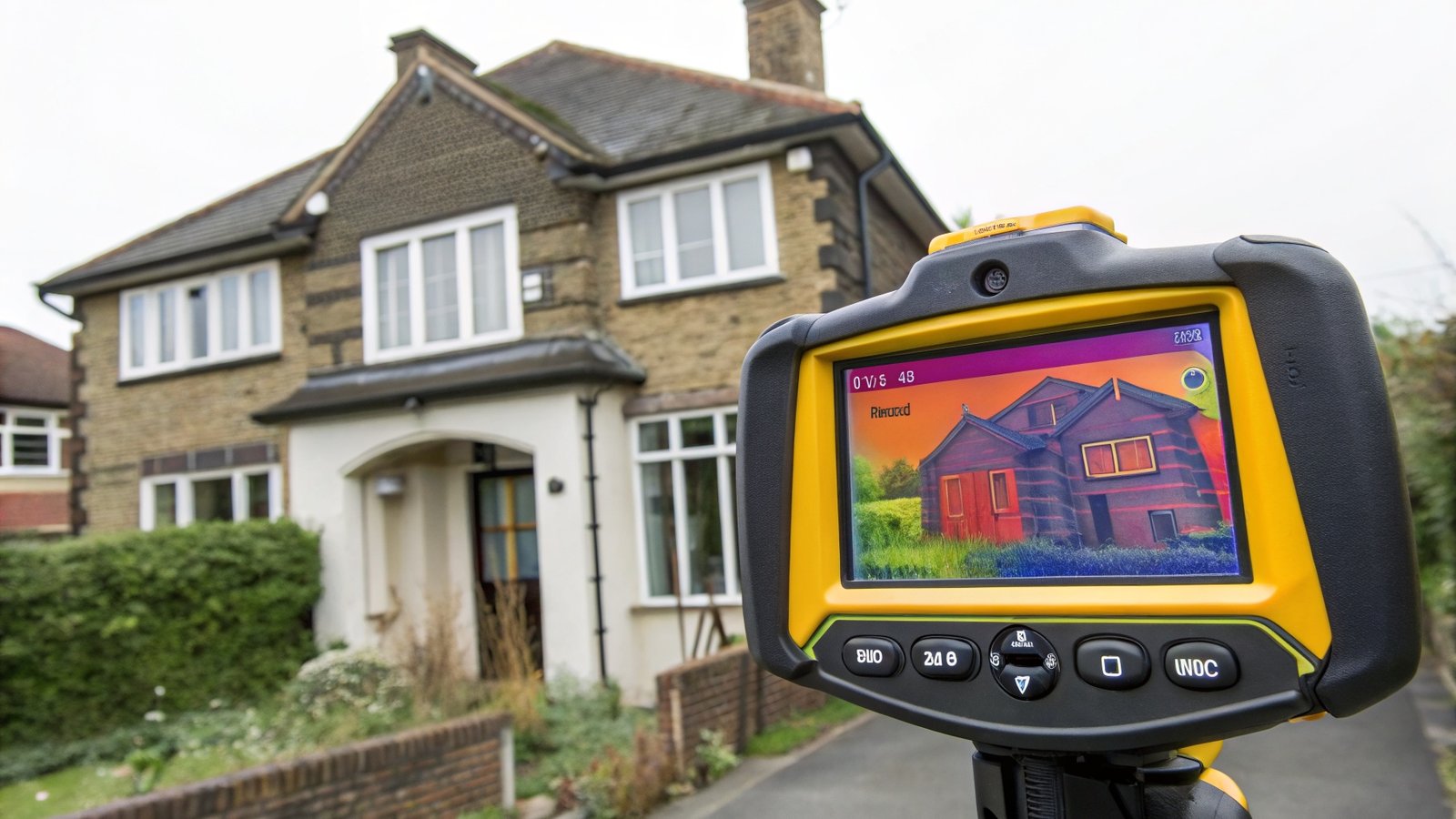
Twenty years ago, house surveys relied mainly on visual inspection, a ladder, and the surveyor's experience. Today, advanced technology has transformed how qualified surveyors assess properties, uncovering hidden defects that would have been impossible to detect through visual inspection alone. If you're buying a property, understanding modern survey technology helps you appreciate the value you're getting from a professional RICS home survey.
The Revolution in Property Survey Technology
Modern chartered surveyors have access to equipment that literally sees through walls, measures moisture content precisely, and inspects roofs from multiple angles safely. This technology doesn't replace the surveyor's expertise – it enhances it, providing objective data that supports professional judgment and reveals issues that might otherwise go unnoticed.
When you commission a house survey today, you're benefiting from tools that have dramatically improved the accuracy and comprehensiveness of property inspections. Let's explore the key technologies and how they protect buyers.
Thermal Imaging Cameras: Seeing the Invisible
Thermal imaging (also called thermography or infrared imaging) is perhaps the most revolutionary technology in modern property surveys. These cameras detect temperature differences across surfaces, revealing problems that are completely invisible to the naked eye.
What Thermal Imaging Reveals
When surveyors use thermal imaging during your survey, they can identify:
- Hidden moisture and damp penetration in walls and ceilings
- Missing or inadequate insulation in walls, roofs, and floors
- Air leakage points causing heat loss and draughts
- Underfloor heating defects and pipe leaks
- Thermal bridging (cold spots that waste energy)
- Electrical faults causing overheating
- Roof insulation problems and heat escape routes
- Hidden structural issues affecting heat distribution
Real-World Examples
Consider Sarah's story. Her RICS Level 2 survey included thermal imaging of a modern townhouse she was buying. The visual inspection showed no obvious issues, but thermal imaging revealed extensive moisture behind bathroom tiles – a leak that would have caused thousands in damage if left undetected. She negotiated £3,500 off the purchase price to cover repairs.
Or take James's experience. Thermal imaging during his building survey showed his "well-insulated" 1990s house had virtually no loft insulation over the main bedroom. The estate agent's description was misleading, but the technology revealed the truth. This saved him from higher heating bills and gave him negotiating power.
How Thermal Imaging Works
Thermal cameras detect infrared radiation (heat) emitted by surfaces. Different temperatures show as different colors on the camera screen:
- Blue/purple indicates cold areas
- Green/yellow shows moderate temperatures
- Orange/red reveals warm or hot spots
Damp areas appear colder because water conducts heat away faster than dry materials. Missing insulation shows as cold spots. Electrical faults generate heat signatures. The surveyor interprets these patterns to identify problems.
Limitations to Understand
Thermal imaging is powerful but not magic. It works best when:
- There's a temperature difference between inside and outside
- The property has been heated for several hours before inspection
- Surfaces are accessible (can't see through furniture or carpets)
- Used by experienced surveyors who interpret results correctly
This is why professional surveyors combine thermal imaging with traditional inspection methods and other technologies.
Moisture Meters: Precise Damp Detection
Damp is one of the most common defects found in house surveys, and moisture meters give surveyors objective data about moisture levels throughout the property.
Types of Moisture Meters
Modern surveyors typically use two types:
Pin-Type Meters: These have two pins that penetrate the surface (usually 5-10mm deep) to measure electrical resistance. Higher moisture content increases conductivity, giving higher readings. Pin meters provide accurate readings at specific points and work well on:
- Timber (windows, floors, roof structures)
- Plasterwork
- Specific suspect areas
Non-Invasive Meters: These scan surfaces without penetration, using electromagnetic waves to detect moisture. They're perfect for:
- Scanning large wall areas quickly
- Finished surfaces where pin holes would cause damage
- Identifying areas needing further investigation with pin meters
Understanding Moisture Readings
Moisture meter readings are given as percentages or on a relative scale. Generally:
- Below 15-17%: Dry, no action needed
- 17-20%: Elevated moisture, investigation recommended
- Above 20%: Wet, likely damp problem requiring attention
- Above 25%: Very wet, urgent investigation needed
Your survey report will include moisture readings from key areas, helping you understand the severity and extent of any damp issues.
What Moisture Meters Can't Do
Moisture meters tell you there's dampness but not why. The surveyor's expertise interprets the cause:
- Is it rising damp from ground level?
- Penetrating damp from outside?
- Condensation from lifestyle factors?
- A leak in plumbing or the roof?
Technology provides data; the surveyor provides diagnosis and recommendations.
Drone Surveys: Inspecting Roofs Safely
Traditionally, surveyors inspected roofs using binoculars from ground level and by accessing loft spaces. High-level inspections required ladders or scaffolding, adding cost and safety risks. Drone technology has transformed roof inspections.
What Drones Offer
Modern survey drones equipped with high-resolution cameras allow chartered surveyors to:
- Inspect roofs at close range without accessing them physically
- Photograph defects in detail from multiple angles
- Assess tall buildings and complex roof structures safely
- Inspect chimneys, valleys, and other inaccessible areas
- Check gutters and roof edges thoroughly
- Provide clear photographic evidence of roof condition
- Identify loose or missing tiles not visible from ground level
- Assess the condition of flat roofs without walking on them
Real Benefits for Property Buyers
Drone surveys are particularly valuable for:
- Period properties: with complex multi-level roofs
- Tall buildings: where ladder access is impractical
- Properties with steep roofs: too dangerous to access
- Commercial buildings: with extensive flat roofs
- Properties with access restrictions: where scaffolding would be costly
Emma bought a Victorian terraced house and chose a surveyor offering drone inspection. The aerial photographs revealed several slipped slates and damaged flashing around chimneys that weren't visible from street level. Armed with this evidence, she negotiated £4,000 off the asking price for roof repairs.
Limitations and Regulations
Drone use is regulated by the Civil Aviation Authority. Professional surveyors must:
- Hold appropriate CAA permissions and licenses
- Follow safety regulations and flight restrictions
- Cannot fly in all weather conditions (high winds, rain)
- May need neighbor or council permissions in some areas
Drones complement but don't replace traditional roof inspection methods. Surveyors still access loft spaces to inspect roof structures from inside.
Borescopes and Inspection Cameras
These flexible cameras with lights on the end allow surveyors to see into spaces that would otherwise be inaccessible without destructive investigation.
What They Inspect
Borescopes help surveyors examine:
- Cavity walls through small holes or gaps
- Under suspended floors through ventilation bricks
- Behind fitted kitchens and bathrooms
- Inside chimneys and flues
- Between roof spaces where access is restricted
- Inside pipe work and drainage systems
- Wall cavities for insulation and damp
Discovering Hidden Problems
Michael's survey of a 1960s house used a borescope to inspect the cavity walls. The camera revealed that cavity wall insulation had been poorly installed and had slumped, leaving the top third of the walls uninsulated. This explained the seller's high heating bills and gave Michael evidence to renegotiate.
Digital Reporting and Photography
Modern surveyors use digital cameras and tablets to document every aspect of your property. This technology ensures your survey report includes:
- High-resolution photographs of defects
- Clear visual evidence of problem areas
- Annotated images highlighting issues
- Before/after comparisons where relevant
- Complete photo documentation for insurance purposes
- Digital floor plans and diagrams
- GPS-tagged locations of external features
Comprehensive photographic evidence is invaluable when:
- Negotiating price reductions with sellers
- Obtaining quotes from contractors for repair work
- Making insurance claims for defects
- Planning renovation or improvement works
- Disputing issues with estate agents or sellers
Laser Distance Measuring
Gone are the days of tape measures and estimation. Laser distance measurers allow surveyors to:
- Measure rooms accurately without physical access to all corners
- Calculate floor areas precisely
- Measure ceiling heights in tall rooms
- Assess property dimensions for valuation purposes
- Calculate volumes for insurance reinstatement figures
- Verify advertised property sizes
Accurate measurements matter. If a property's advertised size is significantly overstated, this affects its value and your mortgage valuation.
Structural Movement Monitoring
For properties showing signs of structural movement or subsidence, modern technology includes:
Crack Monitoring Devices
Glass tell-tales or graduated plastic monitors fixed across cracks show whether movement is ongoing or historical. Digital monitors provide precise measurements over time.
Laser Levels and Measuring Systems
These detect whether floors are level and walls are plumb, measuring deflections of millimeters that indicate potential structural issues.
- Floor levelness (indicating foundation problems)
- Wall verticality (showing bulging or leaning)
- Ceiling drops (suggesting structural movement above)
- Window and door frame alignment issues
Electrical Testing Equipment
While full electrical tests require specialist electricians, surveyors use basic testing equipment to check:
- Socket polarity and earthing
- RCD (safety switch) operation
- Presence of earth bonding
- Basic electrical safety issues
If concerns arise, the survey will recommend a full electrical inspection report before purchase.
The Human Element Remains Essential
With all this technology, it's important to understand that equipment enhances but doesn't replace surveyor expertise. Technology provides data – qualified surveyors provide interpretation, context, and recommendations.
Why Surveyor Expertise Matters
A thermal image showing a cold spot needs interpretation:
- Is it missing insulation, damp, or something else?
- How serious is the issue?
- What's the likely cause?
- What remediation is needed?
- What will it cost to fix?
- Is it a deal-breaker or negotiating point?
This requires years of experience, training, and professional judgment. The best surveys combine cutting-edge technology with chartered surveyor expertise.
Getting the Most from Modern Survey Technology
When booking your house survey, ask about the technology the surveyor uses:
Questions to Ask
- Do you use thermal imaging cameras as standard?
- Will moisture meter readings be included in the report?
- Can you conduct drone surveys if needed?
- How many photographs will the report include?
- What specialist equipment do you use for [specific concern]?
- Is advanced technology included in the standard price?
- Can you recommend specialist investigations if technology reveals issues?
Technology Worth Paying Extra For
Some surveyors offer technology upgrades:
- Thermal imaging survey: Often £100-200 extra, worth it for older properties or suspected damp issues
- Drone roof inspection: £150-300 additional, valuable for complex roofs or tall buildings
- CCTV drainage survey: £200-400, recommended if drains are old or showing problems
These costs are tiny compared to undiscovered problems. A £200 thermal imaging upgrade that reveals a £5,000 damp problem is excellent value.
The Future of Survey Technology
Property survey technology continues to evolve. Future developments include:
- 3D scanning and modeling: Creating digital twins of properties
- AI-assisted defect detection: Computer analysis of survey images
- Advanced material analysis: Handheld devices identifying building materials and their condition
- Augmented reality reporting: Interactive survey reports you can "walk through"
- Ground-penetrating radar: Assessing foundations non-invasively
Staying with surveyors who invest in modern technology ensures you benefit from these advances.
Cost vs Value
Some buyers wonder if technology-enhanced surveys are worth the cost. Consider:
- A basic visual survey might cost £400-500
- A comprehensive survey with thermal imaging, moisture meters, and drone inspection might cost £700-900
- The difference: £200-400
But what's that extra £200-400 buying?
- Detection of hidden damp worth thousands to fix
- Identification of missing insulation affecting heating bills
- Discovery of roof defects not visible from ground level
- Photographic evidence for price negotiations
- Peace of mind that nothing significant was missed
The technology pays for itself many times over if it identifies even one significant defect.
Choosing Technology-Equipped Surveyors
When selecting a surveyor for your property, prioritize those who:
- Are RICS, CIOB, or RPSA accredited (ensuring professional standards)
- Use modern survey technology as standard
- Provide detailed photographic evidence
- Explain technology results in plain English
- Combine technology with extensive experience
- Offer follow-up support to discuss findings
- Recommend specialist investigations when technology reveals concerns
At I House Survey, our qualified surveyors use the latest technology including thermal imaging cameras, professional moisture meters, and drone inspection capabilities. We combine these tools with decades of surveying experience to provide comprehensive, accurate surveys across all UK regions.
Conclusion: Technology Protects Your Investment
Modern survey technology has transformed property inspection from a primarily visual exercise to a comprehensive investigation using multiple scientific methods. Thermal cameras see through walls, moisture meters provide objective data, and drones inspect roofs safely and thoroughly.
When you're buying a house – probably the biggest purchase of your life – you want every advantage. Technology-enhanced surveys provide information that simply wasn't available to buyers a generation ago. They reveal hidden problems, provide evidence for negotiations, and give you confidence that your surveyor hasn't missed anything significant.
The small additional cost of technology-enhanced surveys is dwarfed by the potential cost of undiscovered defects. In the property market, information is power, and modern survey technology gives you that power.
Book Your Technology-Enhanced Survey Today
Our RICS surveyors use the latest equipment including thermal imaging, moisture meters, and drone inspection to provide comprehensive property assessments. Get the detailed information you need to buy with confidence.